When it comes to maintaining your septic tank, knowing the right pumping frequency can save you from costly repairs down the line. Imagine avoiding a messy backup in your yard or a foul odor in your home – understanding when to pump your septic tank is crucial.
By following industry standard recommendations and being aware of the signs indicating your tank needs attention, you can ensure your septic system functions efficiently. But how often should you pump it? Let's explore the factors influencing pumping frequency to help you make informed decisions for your home's septic system.
Key Takeaways
- Pump every 3-5 years for optimal septic tank maintenance.
- Adjust pumping frequency based on household size and water usage.
- Regular inspections aid in early issue detection and timely pumping.
- Clay soils necessitate more frequent pumping than sandy soils.
Factors Influencing Pumping Frequency

What key factors influence the frequency at which a septic tank should be pumped? Understanding the soil composition and water usage in your area is crucial in determining how often your septic tank needs pumping. Different soils drain water at varying rates, affecting the efficiency of the tank. For instance, clay soils drain slowly, requiring more frequent pumping than sandy soils. Additionally, your household's water usage plays a significant role. High water usage means more wastewater flowing into the tank, potentially leading to quicker fill-up and the need for more frequent pumping.
The size of your septic tank is another vital factor influencing pumping frequency. Larger tanks can hold more waste and therefore require less frequent pumping compared to smaller tanks. Regular inspections are also essential. By inspecting your tank regularly, you can identify any issues early on, preventing potential problems that could necessitate more frequent pumping. Regular inspections help ensure the proper functioning of your septic system and can ultimately extend the time between pump-outs.
Industry Standard Recommendations
Understanding the industry standard recommendations for septic tank pumping frequency is crucial for maintaining the optimal functioning of your septic system.
The general guideline suggested by professionals is to pump your septic tank every 3 to 5 years. This timeframe ensures that the solids within the tank don't build up excessively, preventing potential clogs and backups in your system.
However, certain factors such as household size, water usage, and tank size can influence this frequency. Regular inspections and monitoring of your system can help determine if pumping is needed sooner than the standard recommendation.
By adhering to these maintenance tips, you can prolong the lifespan of your septic system and prevent costly repairs. Furthermore, regular pumping not only benefits your property but also has a positive environmental impact by reducing the risk of groundwater contamination and soil pollution.
Signs Your Tank Needs Pumping
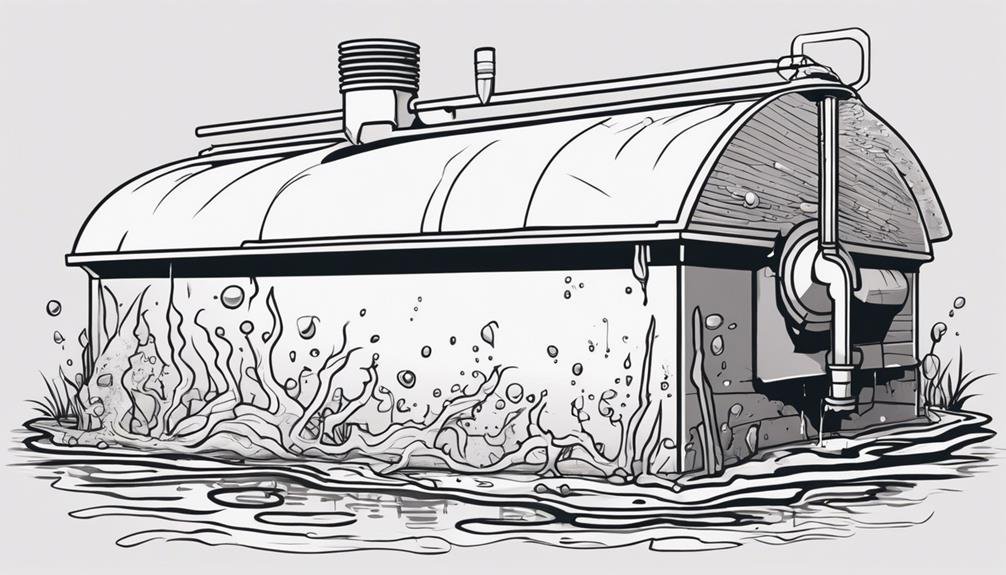
To determine if your septic tank requires pumping, observe for specific indicators of potential issues such as slow drainage, foul odors, or pooling water in your yard.
- Odor Detection: If you notice persistent foul smells around your property, especially near the septic tank area, it could be a sign that the tank is full and needs pumping.
- Visual Inspection: Take a look at the area around your septic tank. If you see lush, overly green patches of grass or pooling water, it may indicate that the tank is no longer effectively processing wastewater.
- Time Frame: Consider how long it has been since your last septic tank pumping. Regular maintenance is crucial, and if it has been more than 3-5 years since the last pump-out, it's advisable to schedule a pumping to prevent any potential issues.
DIY Vs. Professional Pumping Services
If you're considering whether to tackle septic tank pumping yourself or hire a professional service, it's essential to weigh the advantages and potential pitfalls of each option carefully.
When it comes to DIY septic tank pumping, one significant advantage is cost savings. By doing it yourself, you can eliminate the labor costs associated with hiring a professional service. However, DIY pumping requires specialized equipment and expertise. If not done correctly, DIY attempts can lead to damage to your system, costly repairs, or even health hazards due to exposure to raw sewage.
On the other hand, hiring a professional pumping service may cost more initially, but it comes with the assurance of trained professionals handling the job correctly. Professional services have the necessary equipment, experience, and knowledge to pump your septic tank efficiently and safely.
Before deciding, consider both the DIY advantages in cost savings and the potential risks involved, and weigh them against the convenience and expertise that professional services offer.
Frequently Asked Questions
Can Septic Tank Pumping Help Prevent Groundwater Contamination?
Regular septic tank pumping is crucial for preventing pollution and protecting groundwater. By removing accumulated solids, you reduce the risk of contaminants leaching into the soil and reaching groundwater sources. This maintenance helps safeguard the environment.
How Does the Size of My Household Affect the Frequency of Septic Tank Pumping?
When it comes to the frequency of septic tank pumping, the size of your household plays a crucial role. Larger households typically require more frequent pumping schedules to ensure optimal system performance and prevent potential issues.
Are There Any Eco-Friendly Options for Septic Tank Pumping?
When exploring sustainable solutions for septic tank pumping, consider eco-friendly options like biological additives or natural enzymes. These green alternatives promote a healthier septic system and help maintain its functionality without harsh chemicals.
Can Harsh Weather Conditions Impact the Need for Septic Tank Pumping?
In harsh weather conditions, like heavy rainfall or cold temperatures, the impact on your septic tank maintenance can be significant. Excessive water can overload the system, while freezing temperatures may affect bacterial activity, necessitating more frequent pumping.
Is It Necessary to Add Additives to My Septic Tank Between Pumpings?
Sure, you might think additives are necessary for septic tank maintenance, but in reality, they're often unnecessary and can even harm your system. Consider alternatives like proper waste disposal and regular pumping instead.
Conclusion
In conclusion, maintaining a regular septic tank pumping schedule is crucial for the proper functioning of your system. According to industry standards, the average household should pump their septic tank every 3-5 years.
Neglecting this important task can lead to costly repairs and potential health hazards. By staying proactive and recognizing the signs that your tank needs pumping, you can ensure the longevity and efficiency of your septic system.
Remember, regular maintenance is key to avoiding costly issues down the line.