OGO NOMAD Portable Composting Toilet: Product Overview
When you need a toilet away from plumbing, electricity, black tanks, and dump stations, the central challenge is finding something usable without adding a full installation project. The OGO NOMAD Portable Composting Toilet is designed for that gap: it is a waterless, urine-diverting unit aimed at RVs, vans, boats, truck campers, rooftop tents, primitive campsites, and temporary field shelters.
The current listed price is $199.99, and the listing shows the product as In Stock. That creates a straightforward buying question: does a low-maintenance portable design justify the cost over a basic portable toilet, or would a more permanent composting system make better sense for your use?
In plain terms, the OGO NOMAD Portable Composting Toilet separates urine from solid waste. Solids go into a bag with composting medium, while liquids are handled separately. “Composting” should not be read as a promise that waste becomes finished compost during a short camping trip; the process and later disposal depend on use, time, materials, and local requirements.
The system needs no electricity, wiring, plumbing, chemicals, black tank, or septic connection. The product description also makes a USA manufacturing claim, but it does not supply independent durability testing or certification details. That distinction matters when comparing marketing statements with verifiable specifications.
For 2026, the strongest audience is campers, van owners, boaters, hunters, guides, and remote users who value independence from campground facilities. The OGO NOMAD Portable Composting Toilet is less convincing for anyone expecting a flush-style experience or a permanently installed, high-capacity toilet.

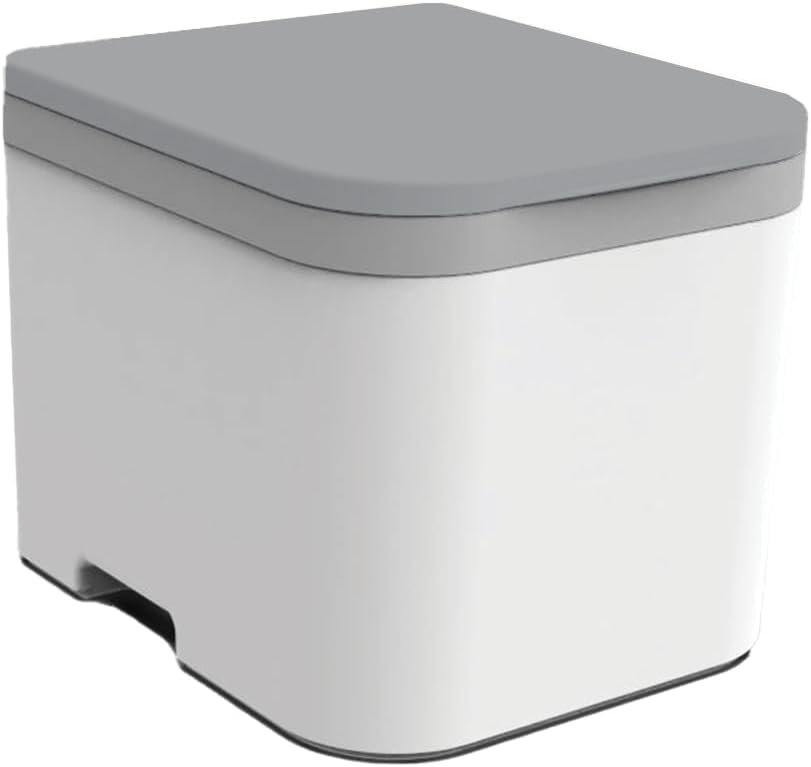
OGO NOMAD Portable Composting Toilet – RV, Van, Camping & Boat, Waterless
$199.99
In Stock
Key Features of the OGO NOMAD Portable Composting Toilet
The key design choices are urine diversion, no-power operation, compact portability, common 8-gallon bags, and construction intended for repeated outdoor use. Together, these choices make the OGO NOMAD Portable Composting Toilet more about deployment flexibility than household-style convenience.
Urine diversion matters because keeping liquid away from solids can reduce the wet conditions that often produce stronger smells. It is an odor-control strategy, not an absolute guarantee of an odor-free experience. Correct separation, suitable medium, cleaning, temperature, and waste handling still affect results.
The waterless, non-electric format is useful in a truck bed, pop-up tent, remote field shelter, primitive campsite, or location without a 12V or mains connection. You do not need to route a cable or plan around fan power. The trade-off is direct: you remain responsible for positioning the unit, managing waste, cleaning contact areas, and arranging lawful disposal.
The listing says no special liners are required and that widely available 8-gallon bags can be used. Common bags may lower supply friction and make replacements easier to find, but you should confirm fit, strength, leak resistance, and local disposal rules before standardising on one bag type.
Portability is another selling point. The description confirms a compact footprint and lightweight, movable design, but it does not provide exact dimensions or weight. Those missing figures matter in a car trunk, small cabin, TentBox-style rooftop tent, or narrow van aisle, where a few inches can determine whether the toilet can be stored and used comfortably.
The manufacturer describes rugged materials and suitability for mud, dust, weather, and repeated weekend trips. Customer feedback should be your reality check for stability and ease of movement rather than treating those claims as laboratory-tested durability. The OGO NOMAD Portable Composting Toilet is promising on paper for mobile use, but its missing measurements limit precise installation planning.
Using the OGO NOMAD: Setup, Daily Operation, and Cleanup
For a first setup, place the OGO NOMAD Portable Composting Toilet on a stable, level surface. Then install a compatible 8-gallon bag, add the recommended composting medium, position the urine container or diversion path correctly, and test that the liquid and solid waste streams are separating before an extended trip.
- Read the included instructions before adding material or using the separator.
- Fit the bag evenly so it cannot slip into the solids area or obstruct the separation route.
- Add only the stated composting medium and quantity.
- Check the liquid path with a small amount of water before departure.
- Keep replacement bags, cleaning supplies, and medium accessible.
The supplied description mentions composting medium but does not identify the exact material or starting quantity. Do not assume that sawdust, coco coir, wood pellets, or another medium is approved; follow the included instructions instead.
Daily habits determine how manageable the system feels. Keep liquids out of the solids bag, wipe contact surfaces promptly, and close or tie the bag securely when it is full. Odor control depends on separation, ventilation, cleanliness, and timely waste handling, not on the separator alone.
Toilet paper is a practical capacity issue. Follow the manufacturer’s guidance on whether paper belongs in the solids bag or a separate lined receptacle, because paper volume affects how quickly the bag fills and how it can be disposed of.
At the end of a trip, remove and tie off the solids bag, handle the urine container according to local rules, wipe the separator and seat-contact areas, and dry the components before storage. Keep the OGO NOMAD Portable Composting Toilet ready with fresh supplies rather than leaving damp residue inside it.
Disposal requirements vary by campsite, municipality, marina, and land manager. A tied bag or separated liquid cannot automatically be discarded anywhere, so check the rules for the location you are using.
Odor Control, Capacity, and Real-World Maintenance
Odor management is the most practical test of the OGO NOMAD Portable Composting Toilet. Urine diversion is intended to limit the wet environment that commonly creates strong smells, but incorrect bag placement, poor cleaning, warm enclosed spaces, and overfilled containers can still produce odors.
The listing describes the system as odor free and low maintenance, yet the supplied information includes no independent odor test, capacity figure, ventilation specification, or exact maintenance interval. Those statements should therefore be treated as product claims unless a consistent pattern in detailed customer reviews supports them.
Here, “low maintenance” means no plumbing, pump, electrical fan, black-tank treatment, or chemical additives. It does not mean maintenance-free. Bags still need tying and disposal, liquid containers need emptying, and the separator and surrounding surfaces need cleaning.
The use of widely available 8-gallon bags establishes the liner size, not the toilet’s usable waste capacity or a guaranteed number of uses. You should not plan a certain number of days or users without a capacity figure from the current listing or manual.
To reduce odor, use the correct type and amount of medium, keep the separator clean, prevent liquid from entering the solids compartment, and tie bags before they become difficult to handle. Store the OGO NOMAD Portable Composting Toilet dry, with airflow where possible, rather than sealing damp components in a hot vehicle.
Compared with a chemical cassette toilet, a flush toilet connected to a black tank, or a powered composting toilet, the key comparison is ongoing effort. The NOMAD removes infrastructure and chemical steps, but it gives you more direct responsibility for bags, liquid, cleaning, and disposal.

What Customers Are Saying About the OGO NOMAD
The supplied product data does not include the live listing’s star rating, review count, verified-purchase percentage, or newest written reviews. That means a responsible review cannot state that the OGO NOMAD Portable Composting Toilet has a particular rating or claim that a majority of buyers praise its odor control. Those figures should be added only after checking the current product page.
When you inspect the listing, group feedback by repeated themes rather than relying on isolated one-line comments. For the OGO NOMAD Portable Composting Toilet, the most useful subjects are urine separation, bag installation, stability, portability, seating comfort, cleaning time, construction, and use in vans, boats, tents, and truck campers.
Positive evidence would be stronger if several detailed buyers describe easier setup than expected, successful operation without power, convenient movement between vehicles, or reduced reliance on campground toilets. A useful review should explain the trip length, number of users, weather, installation surface, cleaning routine, and disposal method rather than simply saying the unit is “great.”
Give equal attention to recurring criticisms. Look for reports of leaks, awkward liquid handling, difficult bag changes, seating concerns, odors in hot conditions, unclear instructions, instability, or a footprint that failed to fit a particular installation. One complaint does not establish a design flaw, but several specific accounts deserve attention.
Check review dates before drawing conclusions. Older comments may describe an earlier version, different packaging, unavailable replacement parts, or a past customer-service experience. Treat those as separate ownership considerations, and compare them with newer reports before assuming they apply to the current OGO NOMAD Portable Composting Toilet.
OGO NOMAD Versus Other Portable and Off-Grid Toilets
The OGO NOMAD Portable Composting Toilet occupies a different position from established self-contained systems such as the Nature’s Head Self Contained Composting Toilet with Close Quarters Spider Handle Design. Nature’s Head is associated with a more permanent self-contained composting-toilet format, while the NOMAD is positioned around portable, no-electricity deployment. Current prices, dimensions, capacities, power requirements, and ratings for Nature’s Head should be checked at publication because they were not supplied here.
The Cuddy Composting Toilet is described in the supplied competitor information as a 3.9-gallon unit with a 12V fan and carbon filter. That powered ventilation approach may appeal if you have a reliable 12V connection and want active odor filtration. The OGO NOMAD Portable Composting Toilet is better aligned with a site where wiring and 12V access are unavailable.
The Kohree Portable RV Toilet is a non-composting alternative with a stated 5.8-gallon detachable waste tank and level indicator. It may suit you if conventional portable-toilet operation and a familiar tank format matter more than urine diversion. The NOMAD instead aims to reduce dependence on chemical holding-tank operation through its bag-based separation system.
The Separett Villa represents a more permanent urine-separating category for cottages, schoolies, or fixed off-grid buildings. Its category may suit frequent daily use by several people better than a compact movable toilet, whereas the NOMAD is designed around temporary or mobile placement.
| Product | Power | Waste approach | Portability | Best setting | Listed price |
|---|---|---|---|---|---|
| OGO NOMAD | None stated; no electricity | Urine diversion and solids bag | Compact and movable | Remote mobile use | $199.99 |
| Nature’s Head | Verify current listing | Self-contained composting format | Verify current listing | More established fixed or semi-fixed installations | Verify current listing |
| Cuddy | 12V fan | 3.9-gallon composting unit with carbon filter | Verify current listing | Powered RV, van, boat, or off-grid use | Verify current listing |
| Kohree | Verify current listing | 5.8-gallon detachable waste tank | Portable | Conventional RV, boat, and camping use | Verify current listing |
| Separett Villa | Verify current listing | Fixed urine-separating system | Permanent-style installation | Cottages, schoolies, and fixed buildings | Verify current listing |
Compare these products by power access, waste handling, installation permanence, expected frequency of use, odor strategy, and price. No single toilet is best for every setting; the right choice depends on which compromise you can live with.
Who Should Buy the OGO NOMAD Portable Composting Toilet?
The strongest use cases for the OGO NOMAD Portable Composting Toilet are truck campers, pop-up tents, rooftop tents, compact rental vans, small boats, hunting camps, guide operations, emergency shelters, and primitive campsites without dependable toilets or utilities.
No power or plumbing can simplify trip planning. You can deploy the unit remotely without running a wire, filling a freshwater tank, connecting a sewer hose, or locating a dump station, provided you plan where the separated waste will be legally handled.
The product description calls the footprint compact but does not provide exact measurements. Before buying, verify the current dimensions and compare them with your storage and operating space, especially in a narrow vehicle or small shelter.
For household use, it may suit occasional use by one person or a small group of campers. If you need a primary toilet for a full-time household, large group, or high-use cabin, investigate capacity, bag-change frequency, and disposal rules first rather than assuming a portable unit will keep pace.
You may prefer another style if you want a flush button, concealed waste storage, minimal manual handling, a built-in fan, or a fixed installation. A cassette, black-tank, or powered composting toilet can better match those expectations.
- Write down the number of users and expected trip length.
- Record available power, storage space, and cleaning tolerance.
- Confirm access to legal disposal facilities.
- Decide whether an 8-gallon bag workflow is acceptable.
- Choose the OGO NOMAD Portable Composting Toilet only if its simplicity outweighs the hands-on process.

Price, Ownership Costs, and Overall Value at $199.99
The current listed price for the OGO NOMAD Portable Composting Toilet is $199.99, with the item shown as in stock. You are paying for a portable urine-diverting design, waterless operation, no plumbing connection, compatibility with common 8-gallon bags, and a form intended for mobile or remote use.
The purchase price is only part of ownership. Potential recurring items include composting medium, replacement bags, cleaning supplies, and any container or disposal equipment required by local rules. The supplied information does not provide actual bag or medium prices, so a precise running-cost calculation would be speculative.
Value depends on how you use it. For an occasional camper, avoiding campground toilet fees, chemical treatments, black-tank service, or plumbing installation may make the price attractive. If you already own a conventional portable toilet, the advantages may be less compelling unless no-power operation and urine diversion solve a specific problem.
No electrical demand also has a practical value: you avoid wiring work and fan power consumption. In exchange, you take on more responsibility for placement, separation, cleaning, liquid handling, and disposal.
Before ordering, check:
- Current price and stock status
- Exact dimensions and included components
- Instructions, warranty, and return terms
- Bag compatibility and medium requirements
- Local disposal rules
Those details can change the effective cost. Overall, the OGO NOMAD Portable Composting Toilet is most valuable when portability and utility-free operation matter more to you than flush-style convenience or maximum capacity.
Specifications and Buying Details to Verify Before Publication
Use the following as a fact-check checkpoint for the OGO NOMAD Portable Composting Toilet. The confirmed details are limited to the information supplied with the current listing.
| Specification | Confirmed detail |
|---|---|
| Product name | OGO NOMAD Portable Composting Toilet – RV, Van, Camping & Boat, Waterless |
| Listed price | $199.99 |
| Availability | In Stock |
| Operation | Waterless and urine-diverting |
| Utilities | No electricity and no plumbing |
| Bags | Works with widely available 8-gallon bags |
| Intended environments | RVs, vans, boats, truck campers, tents, primitive campsites, and field shelters |
| Manufacturing claim | Manufactured with care in the USA, according to the description |
Still missing are exact dimensions, product weight, seat height, solids and liquid capacities, included medium, included bags, material composition, warranty duration, cleaning instructions, and maximum recommended users. Those facts affect vehicle storage, adult comfort, lifting, trip duration, and installation planning.
Check the product page and manual immediately before publication or purchase. During 2026, price, stock, accessories, warranty language, and specifications may change, so do not fill gaps with estimates from competing models. The OGO NOMAD Portable Composting Toilet should not be presented as guaranteed odor-free or assigned a specific emptying interval without supporting documentation.
Pros and Cons
Pros
- Waterless, urine-diverting operation requires no electricity, wiring, plumbing, chemicals, black tank, or septic connection.
- The use of widely available 8-gallon bags may simplify replacement supplies and campsite cleanup.
- The compact, lightweight, movable design is aimed at truck campers, vans, boats, tents, hunting camps, and other remote settings.
- The listed price of $199.99 is lower than many permanent or powered off-grid toilet systems.
Cons
- The listing does not provide exact dimensions, weight, seat height, or solids and liquid capacities.
- Manual bag handling, liquid emptying, cleaning, and legal disposal remain part of ownership.
- The listing’s odor-free description is not supported by an independent odor test or a stated ventilation specification.
- It may not satisfy shoppers who want a flush button, concealed waste storage, maximum capacity, or a permanent installation.
Final Verdict
Key Takeaways
- The $199.99 unit is designed for mobile, waterless use without electricity, plumbing, chemicals, black tanks, or septic connections.
- Urine diversion and widely available 8-gallon bags may simplify off-grid ownership, but manual cleaning, liquid handling, and disposal remain necessary.
- Exact dimensions, weight, capacities, included accessories, warranty, and independent odor evidence are not supplied and should be verified before purchase.
- It is a better match for occasional remote or mobile use than for a full-time household or anyone expecting flush-style convenience.
Frequently Asked Questions
What are the drawbacks of a composting toilet?
The main drawbacks are hands-on waste handling, regular cleaning, bag disposal, liquid-container management, and the need to follow local disposal rules. A composting toilet also does not provide the same flush-style experience or automatically turn fresh waste into finished compost during a short trip.
What is the best off-grid composting toilet?
The best off-grid composting toilet depends on your setting, power access, capacity needs, and tolerance for manual maintenance. The OGO NOMAD suits mobile, utility-free use, while powered or fixed systems may be better for frequent household use.
What if you have diarrhea in a composting toilet?
If you have diarrhea, follow the manufacturer’s instructions and take extra care with hygiene because unusually wet waste can reduce separation performance and make the solids bag harder to manage. Use appropriate protective cleaning practices, keep liquid away from the solids compartment where possible, and dispose of waste according to local rules.
What do you do with toilet paper when using a composting toilet?
Toilet-paper handling depends on the manufacturer’s instructions and the waste system’s capacity. If paper goes into the solids bag, it uses available space; some users may instead need a separate lined receptacle, provided local sanitation rules allow that arrangement.