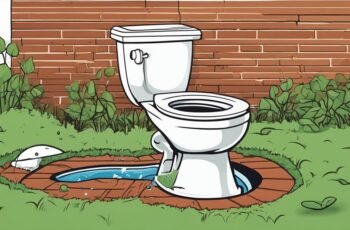
Did you know that according to the Environmental Protection Agency, about one in five households in the United States relies on a septic system for wastewater treatment?
If you've noticed your septic tank draining slowly, it could be a sign of a more significant issue lurking beneath the surface.
Understanding the reasons behind this common problem can help you address the issue effectively and prevent costly repairs down the line.
Key Takeaways
- Excessive water use and lack of maintenance can slow septic tank drainage.
- Signs of drainfield issues include odors, saturation, and slow drainage.
- Factors like soil type, root intrusion, and blockages affect drainage efficiency.
- Regular maintenance, water conservation, and early detection prevent slow drainage issues.
Signs of Septic Tank Overload

If you notice gurgling sounds from your drains or slow drainage in your sinks and toilets, these could be signs of septic tank overload. Common causes of septic tank overload include excessive water usage, lack of regular maintenance, and flushing non-biodegradable items.
To troubleshoot this issue, start by reducing your water consumption to lessen the load on the septic system. Check for any leaks in your plumbing that could be exacerbating the problem. Avoid flushing items like paper towels, hygiene products, or cooking oils down the drain as these can clog the system. Consider scheduling a professional inspection to pump the septic tank if needed.
Indications of Drainfield Problems
Common indicators of drainfield problems include foul odors emanating from the area surrounding your septic system. If you notice a strong, persistent smell of sewage in your yard, it could be a sign of drainfield saturation. This occurs when the soil in the drainfield becomes oversaturated with wastewater, leading to improper drainage and unpleasant odors.
Another common issue is root intrusion into the drainfield pipes. Tree roots seeking moisture and nutrients can infiltrate the pipes, causing blockages and hindering the proper flow of effluent. This can result in slow drainage from your septic system and potentially lead to backups in your home.
To address these problems, it's crucial to have a professional inspect your drainfield to determine the extent of the issue. Solutions may involve repairing or replacing damaged pipes, addressing drainfield saturation through proper maintenance, or implementing root barriers to prevent future intrusion. Taking prompt action can help prevent more significant damage to your septic system and maintain its proper functioning.
Factors Contributing to Slow Drainage

To understand the factors contributing to slow drainage in your septic system, it's essential to recognize how issues such as drainfield saturation and root intrusion can impede the proper flow of wastewater. Soil composition plays a vital role in drainage efficiency. If the soil in your drainfield is too compacted or heavy, it can prevent water from properly filtering through, leading to slow drainage. Additionally, a high water table can exert pressure on the septic system, making it harder for water to flow out.
Tree roots are another common culprit behind slow drainage. As trees grow, their roots can infiltrate the pipes, causing blockages and hindering the movement of wastewater. Pipe blockage, whether due to roots, debris, or other obstructions, can significantly impact drainage speed.
Regular inspections and maintenance can help detect these issues early on and prevent them from escalating. By addressing these factors promptly, you can ensure that your septic system functions optimally, maintaining proper drainage and avoiding more severe problems down the line.
Understanding Septic Tank Maintenance
Understanding proper septic tank maintenance is essential for ensuring the longevity and efficiency of your septic system. To keep your septic tank in optimal condition, consider the following:
- Tank Inspection: Regularly inspect your septic tank for any signs of damage, leakage, or blockages. Look out for lush grass around the drain field, gurgling sounds in the plumbing, or slow drainage in sinks and toilets. Early detection of issues can prevent costly repairs down the line.
- Pumping Frequency: Determine the appropriate pumping frequency for your septic tank based on household size, water usage, and tank capacity. Typically, septic tanks should be pumped every 3-5 years to remove accumulated solids and prevent clogs in the system.
- Effluent Filter Maintenance: If your septic system has an effluent filter, ensure it's cleaned or replaced regularly to prevent clogs and maintain proper wastewater flow.
- Water Conservation: Practice water conservation habits to reduce the strain on your septic system. Fix leaky faucets, install low-flow fixtures, and avoid excessive water usage to prevent overloading the tank.
Conclusion
In conclusion, a septic tank draining slowly can be likened to a clogged artery in the human body, causing a backup of waste and potential health hazards.
It's crucial to address the signs of overload and drainfield issues promptly to prevent further damage and ensure proper functioning of your septic system.
Regular maintenance and proper care are key to keeping your septic tank running smoothly and efficiently.