LEIFIDE Composting Toilet Sawdust: Product Overview
Finding a dry, absorbent cover material that helps limit exposed waste and unpleasant smells—without adding chemical fragrances or treatment—can be harder than it sounds. LEIFIDE 5.5 Pounds Composting Toilet Sawdust All Natural No Chemicals is aimed at that narrow need, and the early takeaway is fairly clear: it is worth considering as a refill for a compatible toilet, but it is not a toilet system itself.
This composting toilet sawdust is described as a consumable mixture of 100% organic sawdust and wood shavings. It is intended for small household composting toilets, home-built units, portable camping toilets, RVs, vans, boats, and other outdoor arrangements. You receive covering material, not a container, separator, fan, handle, waste tank, or complete composting mechanism.
The listed price is $37.99, reduced from an original price of $40.99, and availability is shown as In Stock. That makes the product relevant to someone who needs a ready-to-use bag rather than someone shopping for an entire off-grid bathroom setup.
The description supports the basic composition claim, but it does not establish a particle-size range, moisture percentage, bag dimensions, geographic origin, or independent composting certification. For a low-volume toilet, this composting toilet sawdust could be a convenient chemical-free cover medium; for a busy household, you should first work out how quickly a single bag will be consumed.
In practical terms, composting toilet sawdust is most promising when your toilet already has a clear cover-material routine and you can adjust the amount used after observing moisture and odor. Buyers who need measured coverage or certified material specifications will find the listing less informative than ideal.

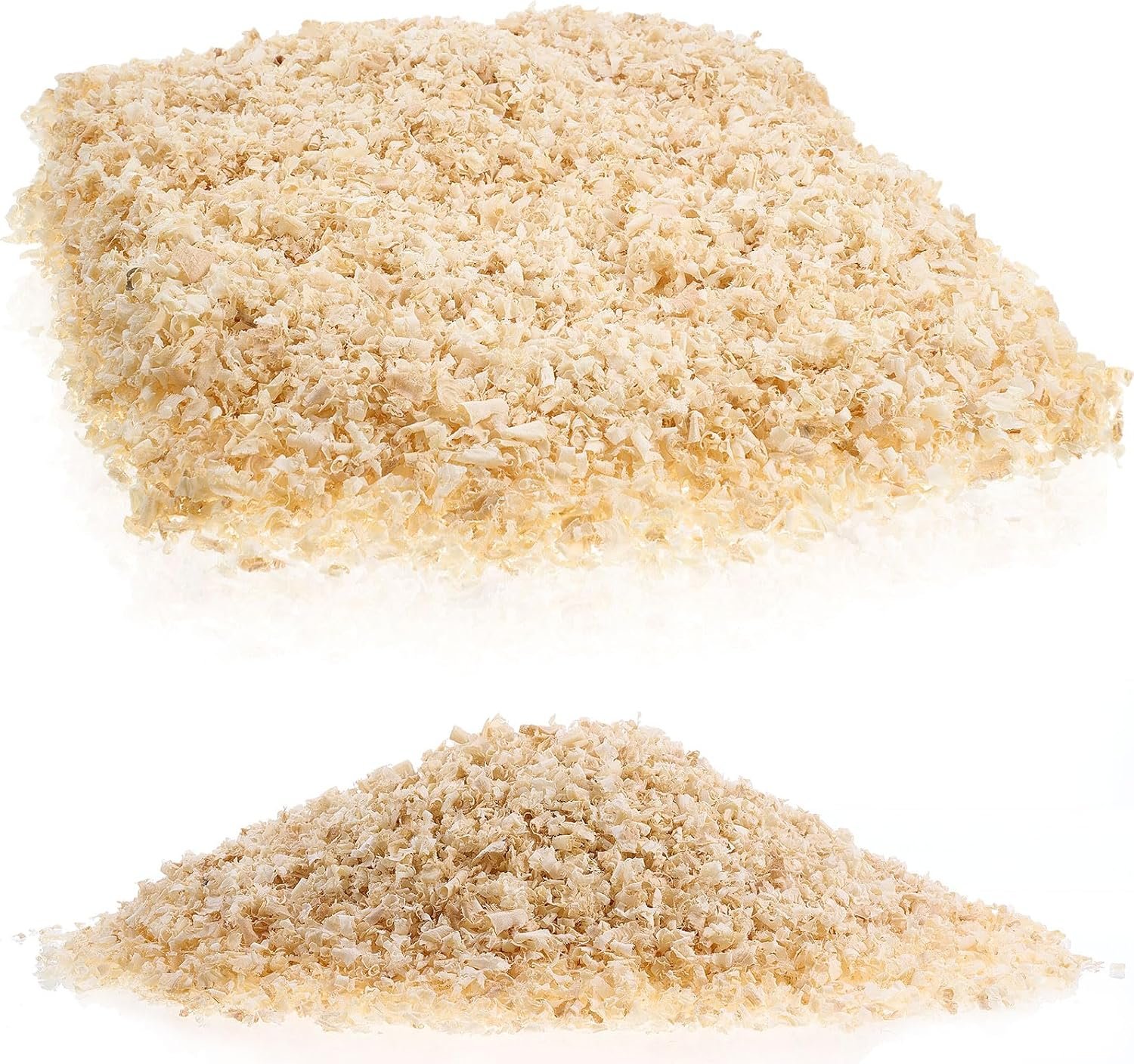
LEIFIDE 5.5 Pounds Composting Toilet Sawdust All Natural No Chemicals
$40.99 $37.99
In Stock
Key Specifications and What the 5.5-Pound Pack Means
The measurable information is compact, which is useful when separating the product’s verified specifications from its promotional wording. The core details are:
| Specification | Listed information |
|---|---|
| Pack size | 5.5-pound single bag |
| Material | Sawdust and wood shavings |
| Additives | No chemical additives claimed |
| Current price | $37.99 |
| Original price | $40.99 |
| Availability | In Stock |
A 5.5-pound bag is a manageable amount to carry into a camping kit, place in an RV compartment, keep in a shed, or store near a bathroom supply area. It is easier to handle than a large bulk sack, although the total number of toilet uses will depend on how much material your particular design requires.
The listing calls the composting toilet sawdust “fluffy” and “light,” with broad coverage per unit of weight. Those are useful expectations, not measured coverage data. No application count or volume in litres or gallons is supplied, so you cannot accurately calculate uses from the weight alone.
Before ordering composting toilet sawdust, record the amount your toilet uses per visit or per day. Then compare that routine with the 5.5-pound weight, treating the result as an estimate because density and moisture can change the usable volume.
Keep the opened bag sealed and dry, away from rain, spills, insects, and other contamination. “Broad coverage” is marketing language until you test the material in your own unit; the weight and composition are the more concrete purchasing facts.
Natural Sawdust Formula and Chemical-Free Composition
The listing presents a 100% organic formula made from selected wood, consisting of sawdust and shavings without chemical additives or harmful impurities. For households trying to keep composting inputs simple, that is the central attraction: you are adding a dry wood-based carbon source rather than a fragranced or visibly treated cover product.
In use, composting toilet sawdust can provide dry carbon-rich material that helps cover fresh solids and balance wetter waste. The wood structure may also make it easier to distribute a layer over the surface. That does not mean it is certified organic, sterile, pathogen-free, or appropriate for every composting toilet.
The supplied description does not identify the wood species. If you have a wood allergy, respiratory sensitivity, or concern about treated lumber, contact the seller for source information before placing the bag in your living space. The phrase “organic” in the listing should not be treated as proof of an independent certification.
When composting toilet sawdust arrives, inspect it before use. Check for visible moisture, mold, an unusual chemical or musty smell, foreign debris, and an unusually large amount of fine dust. Isolate the bag if anything looks contaminated rather than mixing it into your toilet.
Dust control is straightforward but matters in enclosed rooms. Pour slowly, avoid shaking the bag indoors, use ventilation, and consider a mask if fine particles irritate your nose or lungs. A sealed working container can reduce repeated handling of the main bag and keep the material cleaner.
Moisture Absorption, Airflow, and Odor Management
The product description claims that its sawdust structure offers water absorption and air permeability, helping regulate compost humidity and circulation. Those properties are relevant because a cover medium needs to absorb some liquid while leaving enough air around the waste for the toilet’s intended process.
Used correctly, composting toilet sawdust may help conceal fresh solids and reduce the wet, exposed conditions that contribute to smell. Too little cover can leave waste visible and damp, while too much can consume capacity quickly or make the mixture excessively dry, depending on the design.
Do not interpret the material as a guarantee of an odor-free toilet. Smell is also affected by ventilation, urine separation, temperature, cleaning, waste capacity, and the quantity applied. The listing supplies no laboratory odor-reduction results, decomposition-rate testing, or recommended dose, so you need to judge performance over several uses.
- Add a modest pre-use layer only if your toilet’s instructions call for one.
- After fresh solids are deposited, cover them evenly rather than dumping in a large quantity.
- Check whether the surface appears appropriately dry for your system.
- Adjust the next application gradually and record the result.
Persistent odor, visible wetness, clumping, or weak airflow may point to an incorrect ratio or a ventilation issue rather than a defective bag. With composting toilet sawdust, changing one factor at a time makes it easier to identify whether the material or the toilet setup is responsible.
For composting toilet sawdust, the most useful trial is a consistent routine over multiple visits: use approximately the same amount, observe the surface, and note whether smell changes after ventilation and separation are checked.

Using the Material in Home, Camping, RV, and DIY Toilets
LEIFIDE is positioned for compact household toilets, portable camping units, mobile RV and van setups, boats, home-built systems, and small public or shared facilities. That broad scenario list describes intended use, not universal compatibility. Your toilet’s waste-separation method, ventilation design, mixing mechanism, and manufacturer instructions still determine whether the material is suitable.
Do not automatically substitute composting toilet sawdust for a proprietary medium if your toilet maker specifies pellets, a particular texture, or a tested blend. A loose material may behave differently in a rotating drum, separator, fan-assisted unit, or simple bucket-style DIY design.
For a home system, keep a dedicated scoop beside the toilet, store the main bag sealed, and establish a repeatable covering routine. Consistency matters more than guessing with a large handful after each use. For travel, transfer a working quantity into a sealed container before departure, protect it from rain, and avoid carrying an open bag where it can spill.
In shared or high-frequency use, monitor how quickly the 5.5-pound pack disappears and keep a backup supply available. Also watch for dust on nearby surfaces or tracking on the floor, especially if several people use the unit.
Disposal needs caution. Follow local sanitation rules and the toilet manufacturer’s waste-handling directions; composting toilet sawdust mixed with human waste should not automatically be applied to food gardens. Confirm the permitted disposal route before building a routine around any DIY system.
What Customers Are Saying About the LEIFIDE Sawdust
The supplied product data does not include a visible star rating or review count, so a responsible review cannot report an Amazon rating or claim recurring buyer themes. That evidence gap matters: statements about low odor, easy pouring, absorbency, camping performance, packaging, delivery, dust, moisture, or bag size would be speculation without the individual reviews.
For this product, composting toilet sawdust performance should therefore be separated into two evidence categories. The manufacturer claims a fluffy, light structure, broad coverage, water absorption, airflow, reduced odor, and suitability across several toilet settings; none of those claims is supported here by a supplied laboratory report or customer-review sample.
If you are checking the live listing, give more weight to detailed reviews that identify the toilet type, frequency of use, amount applied, storage conditions, and results over several days. A short comment saying the product is “good” provides far less useful information than a specific account describing texture, dust, moisture, odor, and how long the pack lasted.
Look separately for comments about the material and fulfillment. A buyer may praise odor control while criticizing a torn bag, late delivery, or damp packaging; those are different purchasing risks. Conversely, repeated reports of excessive dust, inconsistent shavings, dampness, insufficient quantity, or unclear instructions would deserve closer attention than one isolated complaint.
Because no review count or rating is supplied in the brief available for this assessment, customer evidence remains limited rather than positive or negative. Treat composting toilet sawdust as a product that requires a controlled first-use check, not one whose real-world performance has been established by the information provided.
LEIFIDE Compared With Other Composting Toilet Materials and Systems
LEIFIDE competes in a different category from complete toilets. Its loose composting toilet sawdust is ready to distribute, whereas LEIFIDE lb Composting Toilet Pellets use a pellet format that may require consideration of expansion, storage, and preparation. The lighter pellet pack could suit a low-use buyer, while the loose 5.5-pound bag may be more convenient when you want material immediately available.
The Toilet Sawdust Compost Composting 4.4 Pounds Kit with Gallon Biodegradable Bags adds bags to the package. That makes it a closer bundle comparison: LEIFIDE is presented as a single material pack, while the competing kit combines cover material with disposal supplies.
| Product type | Included components | Likely buyer | Key trade-off |
|---|---|---|---|
| LEIFIDE 5.5-pound bag | Loose sawdust and shavings | Owner of a compatible small or mobile toilet | No bags, toilet, or measured coverage supplied |
| LEIFIDE lb Composting Toilet Pellets | Pellet-format medium | Low-volume user comfortable preparing pellets | Less material by weight and possible preparation needs |
| Toilet Sawdust Compost 4.4 Pounds Kit | Sawdust plus 8-gallon biodegradable bags | Portable-toilet user wanting disposal accessories | Less material by weight but includes bags |
| Nature’s Head Self Contained Composting Toilet with Close Quarters Spider Handle Design | Complete toilet system | Buyer installing a full composting toilet | Not a direct refill comparison |
| OGO NOMAD Portable Composting Toilet | Complete portable toilet system | RV, van, camping, or boat user | System purchase rather than loose medium |
Compare total ownership cost, not just the pack price: include expected usage, replacement frequency, bags, accessories, ventilation needs, and waste handling. LEIFIDE composting toilet sawdust makes sense when you already own or are building a compatible toilet; if you need a ready-to-use bathroom, compare complete systems instead.

Who Should Buy This 5.5-Pound Composting Toilet Sawdust?
The strongest match is an owner of a small or portable composting toilet who wants a natural wood-based cover medium in a manageable single-bag quantity. Campers, RV users, van owners, boaters, and occasional off-grid households may appreciate a refill that is described as chemical-free and easy to carry.
DIY builders may also find composting toilet sawdust useful as a basic carbon-rich covering medium, provided they can independently establish the correct ratio and waste-management method for their design. The listing does not provide enough engineering detail to validate a homemade toilet automatically.
This product is less suitable if you operate a large, continuously used system, require a measured volume, need certified specifications, or are actually looking for a complete toilet. It is also a weaker fit if you have no tolerance for loose fine material and cannot store it in a dry, contained location.
The stated weight is moderate, but convenience is personal. If lifting or pouring from the full bag is difficult, transfer a working amount into a smaller sealed container. Do that carefully and keep the main supply protected from moisture.
- Confirm that your toilet permits a loose wood-based medium.
- Estimate weekly consumption from your normal usage.
- Consider whether dust handling is acceptable in your space.
- Review local waste and sanitation rules.
- Compare $37.99 with the number of expected uses.
For composting toilet sawdust, that decision path is more reliable than choosing solely because the formula sounds natural. Buy it for the refill function, not as a substitute for a complete sanitation system.
Price, Pack Economics, and Long-Term Value
The current listed price is $37.99, compared with an original price of $40.99. That is a displayed saving of $3.00 before taxes or delivery charges. At the current price, the 5.5-pound pack works out to about $6.91 per pound; at the original price, it would be approximately $7.45 per pound.
That baseline helps you compare composting toilet sawdust with smaller packs, pellets, and bundles, but price per pound is not the same as cost per use. Particle size, density, moisture content, application amount, and toilet design all change how much usable coverage you obtain.
To test the real economics, weigh the unopened bag if you have a suitable scale. Over seven days, weigh or measure the material used, then divide the available quantity by your average weekly consumption to estimate how many weeks one pack may last. Record the result separately for home, RV, and camping use because frequency can differ sharply.
Compare that result with LEIFIDE lb Composting Toilet Pellets and the 4.4-pound kit with 8-gallon biodegradable bags. A bundled alternative may cost more per pound but save you from sourcing bags separately; a pellet may store differently or require preparation before use.
The purchase makes financial sense when composting toilet sawdust gives consistent moisture and odor control with little waste. It becomes less attractive if you need frequent replenishment or receive a damp, excessively dusty, or inconsistent batch that forces you to discard material.
How to Evaluate the Product After Delivery
A controlled first inspection will tell you more than the product description alone. Before using composting toilet sawdust, work through this sequence:
- Confirm that the package is the stated single 5.5-pound pack and check for shipping damage.
- Inspect the contents for moisture, mold, foreign debris, or an unusual odor.
- Identify whether the texture is mostly fine sawdust, larger shavings, or a mixture.
- Transfer a working amount to a clean, dry, sealable container.
- Read your toilet manufacturer’s instructions before adding the material.
Run a controlled trial over the first several uses. Apply approximately the same amount each time, note odor and surface moisture, and record whether the material clumps or remains easy to distribute. This gives you a practical baseline for your own toilet rather than relying on a generic coverage promise.
If results are poor, change one thing at a time. Adjust the cover amount first, then check ventilation or urine separation, instead of changing everything simultaneously. Persistent smell or wetness can be caused by the toilet setup, not necessarily the material.
Stop using the bag if you find visible mold, a chemical or fuel-like odor, unexplained irritation, persistent excessive dust, or contamination. Isolate it, avoid placing it near the toilet, and contact the seller about the problem.
Document how many uses the bag supports and whether it performs differently in your home, RV, or camping arrangement. The final buying framework is simple: choose LEIFIDE as a refill or cover medium only when your toilet is compatible, your expected consumption fits the pack, and you are comfortable verifying the material after delivery.
Pros and Cons
Pros
- 100% organic sawdust and wood shavings are listed, with no chemical additives claimed.
- The single 5.5-pound bag is reasonably portable for camping, RV, van, boat, and small household setups.
- The loose, fluffy material is intended to absorb moisture, support airflow, and provide broad coverage.
- The listed price is $37.99, reduced from $40.99, and the item is shown as in stock.
Cons
- The listing does not provide particle size, moisture percentage, bag dimensions, wood species, origin, or independent composting certification.
- There is no supplied measured coverage figure, application guide, laboratory odor test, or decomposition-rate data.
- The product is a refill material rather than a complete composting toilet, and the 5.5-pound quantity may be limiting for high-frequency use.
- Fine dust, dampness, inconsistent texture, or unsuitable wood material could affect the experience and cannot be judged from the listing alone.
Final Verdict
Key Takeaways
- LEIFIDE is a 5.5-pound bag of loose sawdust and wood shavings, not a complete composting toilet.
- The listed $37.99 price equals about $6.91 per pound, but actual value depends on coverage and consumption.
- The chemical-free, 100% organic composition is a listing claim; wood species, certification, moisture, and particle size are not supplied.
- Use a measured trial to assess dust, moisture balance, odor control, and how long the bag lasts in your particular toilet.
- It is best suited to small, portable, occasional, or DIY systems where you can confirm compatibility and disposal requirements.
Frequently Asked Questions
What are the drawbacks of a composting toilet?
Common drawbacks include ongoing emptying and cleaning, dependence on correct ventilation and moisture balance, limited capacity, and the need to manage waste responsibly. Odor control can also suffer when users apply too little cover material or when urine separation and airflow are inadequate.
What is the best off-grid composting toilet?
The best off-grid composting toilet depends on your installation, capacity needs, ventilation access, and budget. Nature’s Head and OGO NOMAD are complete systems to compare, while LEIFIDE is only a cover material for a compatible toilet you already own or build.
What if you have diarrhea in a composting toilet?
Diarrhea adds more liquid than a composting toilet may handle comfortably, so you should use extra absorbent cover material only if the toilet’s instructions allow it. Check ventilation and urine separation, clean contaminated surfaces promptly, and follow local disposal and sanitation rules.
What do you do with toilet paper when using a composting toilet?
Toilet paper is usually placed in the solids compartment if the toilet manufacturer permits it, although some systems recommend a separate lined container to preserve capacity and airflow. Follow your toilet’s instructions and local waste-handling requirements rather than assuming every setup uses the same method.