Bonide Sedge Ender overview: a concentrated solution for grassy weeds
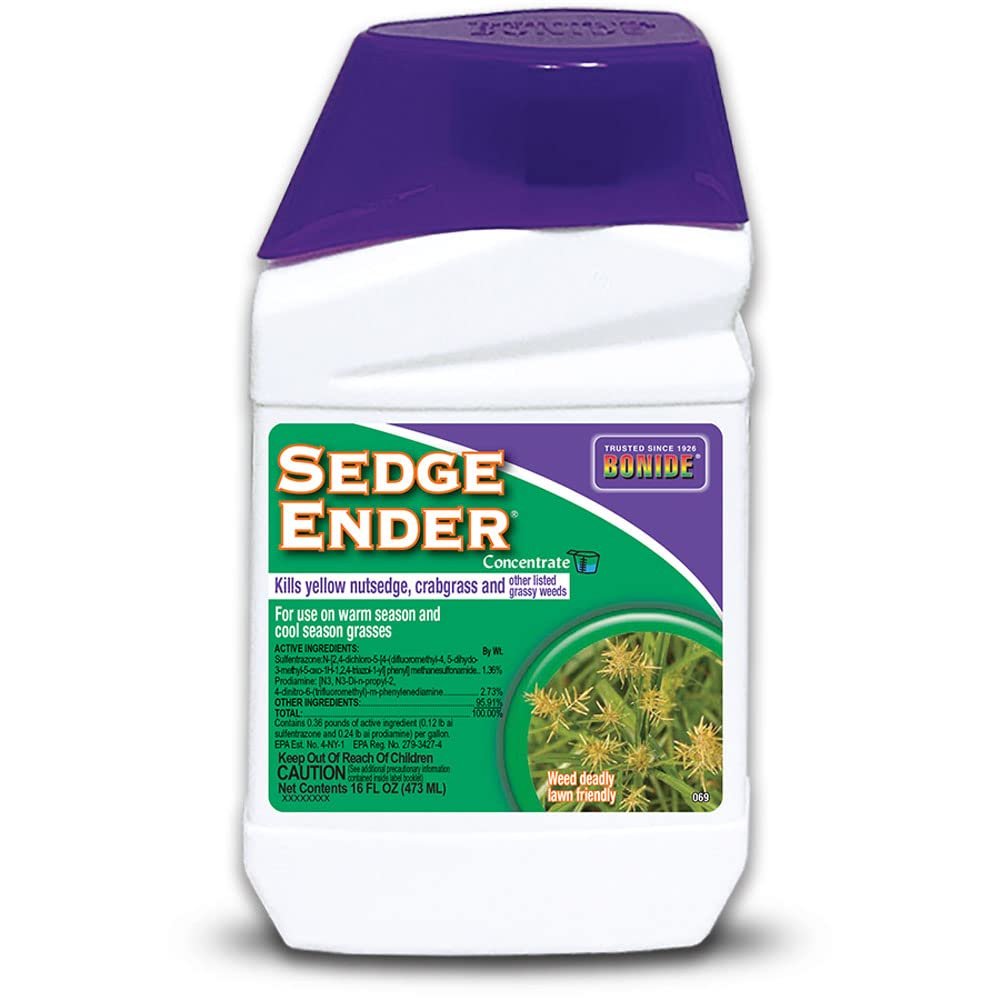
Yellow nutsedge, crabgrass, goosegrass, and foxtail can spread through an established lawn while many general weed killers risk harming the turf you want to keep. Bonide Sedge Ender is a oz concentrated outdoor weed killer designed for homeowners who need more than a small ready-to-use spot treatment. It is listed at $28.08 and is currently shown as in stock.
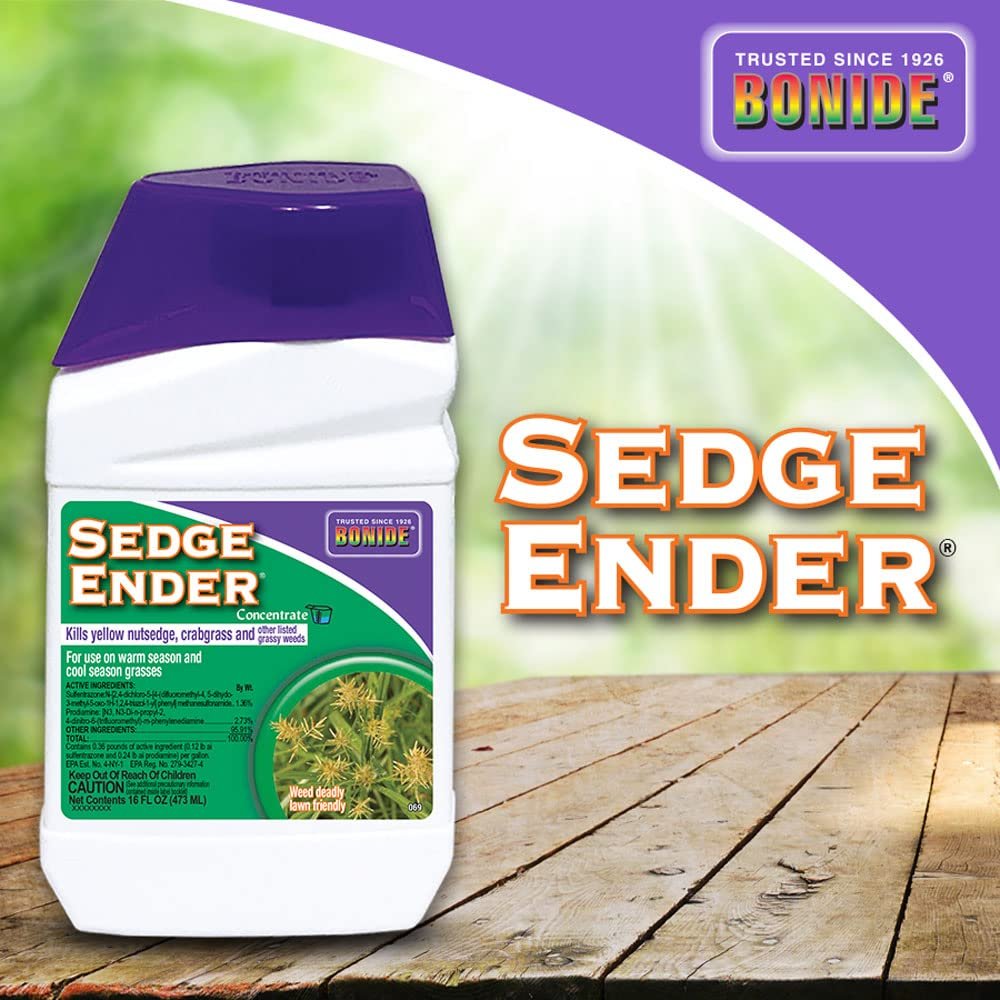
The product description gives it a dual role: it is intended to treat weeds after they sprout and help prevent newly emerged weed seedlings. The stated grass list includes both warm-season and cool-season turf, specifically bluegrass, ryegrass, fescue, Bermuda grass, and carpet grass. That broad intended use makes it relevant to many home lawns, although it doesn’t remove the need to follow the label for species, rate, and timing.
In this review, you’ll see how coverage, application timing, rain resistance, grass compatibility, customer evidence, and cost affect the buying decision. Bonide Sedge Ender appears most appealing when you need targeted control across a sizeable lawn and are comfortable measuring and diluting a concentrate. If you have one isolated weed or want a bottle that requires no mixing, a ready-to-use alternative may be simpler.
The central promise of Bonide Sedge Ender is useful but conditional: it aims to work on unwanted grassy weeds without killing an established lawn when applied as directed. Your result will depend heavily on identifying the turf correctly, choosing the permitted rate, and giving the spray time to dry.
This image is property of Amazon.com.

What the oz concentrate can treat and how much it covers
One pint of this concentrate is listed as covering 2,000 to 8,700 square feet, depending on the intended use and selected mix rate. That is a substantial range, and it means the same bottle may suit a stronger treatment over a smaller area or a lighter, broader application intended to address newly emerged seedlings.
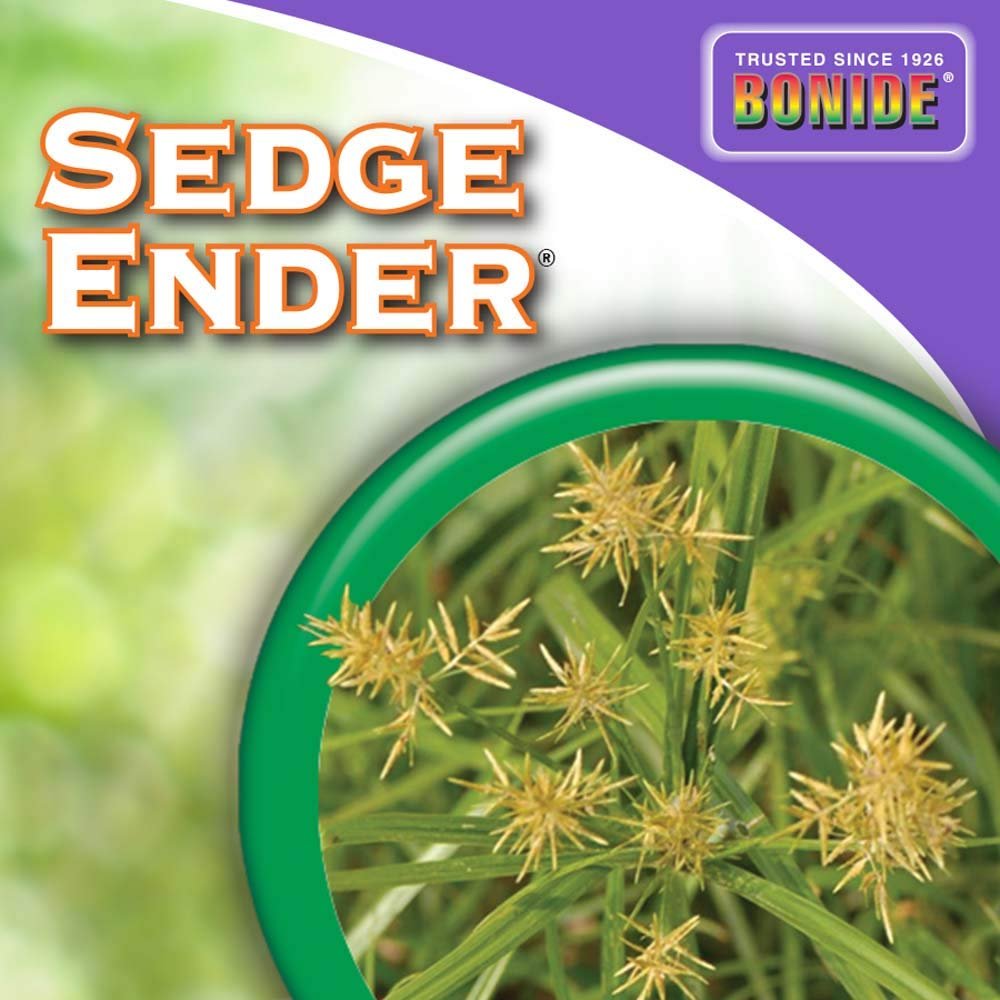
The listed targets include yellow nutsedge, crabgrass, goosegrass, foxtail, and other grassy weeds. Those names matter because a product that works well for one weed should not automatically be assumed to control every broadleaf or grass-like plant in your yard. Bonide Sedge Ender is best evaluated against the specific weed named on the label.
Coverage is not a promise that every square foot will receive identical results. Lawn density, weed maturity, weather, spray uniformity, and the rate you use can all change performance. A mature infestation may respond differently from small, newly emerged weeds, while uneven spraying can leave untreated patches that look like product failure.
Before mixing, measure the lawn area with a tape, pacing method, or mapping app, then prepare only the diluted volume you expect to use. Record the selected rate and treated area so you can compare the actual coverage with the bottle’s stated range. Never estimate dilution by eye: Bonide Sedge Ender should be mixed according to the current product label, including its instructions for the grass type and weed stage.
For practical planning, Bonide Sedge Ender gives you flexibility but also places more responsibility on you than a ready-to-spray bottle. The lower end of the range is more relevant when the label calls for a stronger mix; the upper end applies only where the permitted lighter rate and application conditions support it.
Key features of Bonide Sedge Ender explained
The formula is presented around three functions: post-emergent control of visible weeds, pre-emergent help against newly emerged seedlings, and use on listed lawn grasses when directions are followed. The description also says it works on weed shoots and roots, which is relevant if you’re frustrated by weeds that seem to return after their visible growth is removed.
Bonide Sedge Ender is described as starting to work on contact. That tells you the initial chemical action begins when the spray reaches the plant, not that the weed will disappear immediately. Visible color change, slowed growth, and complete control can take longer, particularly when weeds are mature or conditions are unfavorable.
Rain behavior is another practical feature. The product is described as rainproof within hours and not subject to washing off after it has dried. You should still choose a weather window that allows complete drying before rainfall; spraying immediately ahead of heavy rain gives the treatment less opportunity to settle and dry properly.
The compatibility list covers bluegrass, ryegrass, fescue, Bermuda grass, and carpet grass, spanning cool- and warm-season categories. That is a manufacturer-stated use range, not a guarantee that every cultivar, mixed lawn, or stressed turf will react identically. Bonide Sedge Ender remains dependent on the label’s restrictions.
- Identify the grass species or mixture.
- Identify the weed and confirm that it is a listed target.
- Check the permitted application stage, dilution, and rate.
- Measure the area, mix precisely, and spray evenly.
- Keep people and pets away as directed until the treated area is safe.
Following that routine gives Bonide Sedge Ender the best chance to perform as described while reducing avoidable application mistakes.
Application timing, mixing, and lawn-care results
You’ll use this type of product differently depending on whether you’re treating visible weeds or aiming to address newly emerged seedlings. Post-emergent treatment targets weeds already above the soil, while the preventive purpose is tied to the timing and rate specified on the label. Bonide Sedge Ender should not be treated as a general-purpose spray for every lawn problem.
- Inspect the lawn and photograph the weed if identification is uncertain.
- Confirm the turf species and check that the product is approved for it.
- Review the forecast for rainfall, heat, drought, and other conditions that could stress the grass.
- Measure the treatment area and determine the label-required dilution.
- Mix the concentrate accurately and apply an even spray with suitable equipment.
- Allow the treated surface to dry fully before people or pets return, following the label’s instructions.
Although the spray is described as rainproof within hours, rain timing still matters. An application directly before heavy rainfall may reduce drying time, and runoff can also create problems near ornamental beds or waterways. Bonide Sedge Ender is more manageable when you plan the application rather than treating the lawn at the first available moment.
Concentrates reward precision. Under-mixing can reduce weed control, while over-application can increase the chance of lawn injury. Avoid treating stressed, newly seeded, damaged, or otherwise sensitive turf unless the current label specifically permits it.
After application, inspect weed color and growth, untreated patches, turf discoloration, and signs of regrowth. Write down the treatment date, rate, lawn condition, and weather; consult the label before considering another application. Bonide Sedge Ender should not be reapplied simply because results were not immediate.
This image is property of Amazon.com.

Does Bonide Sedge Ender protect different lawn types?
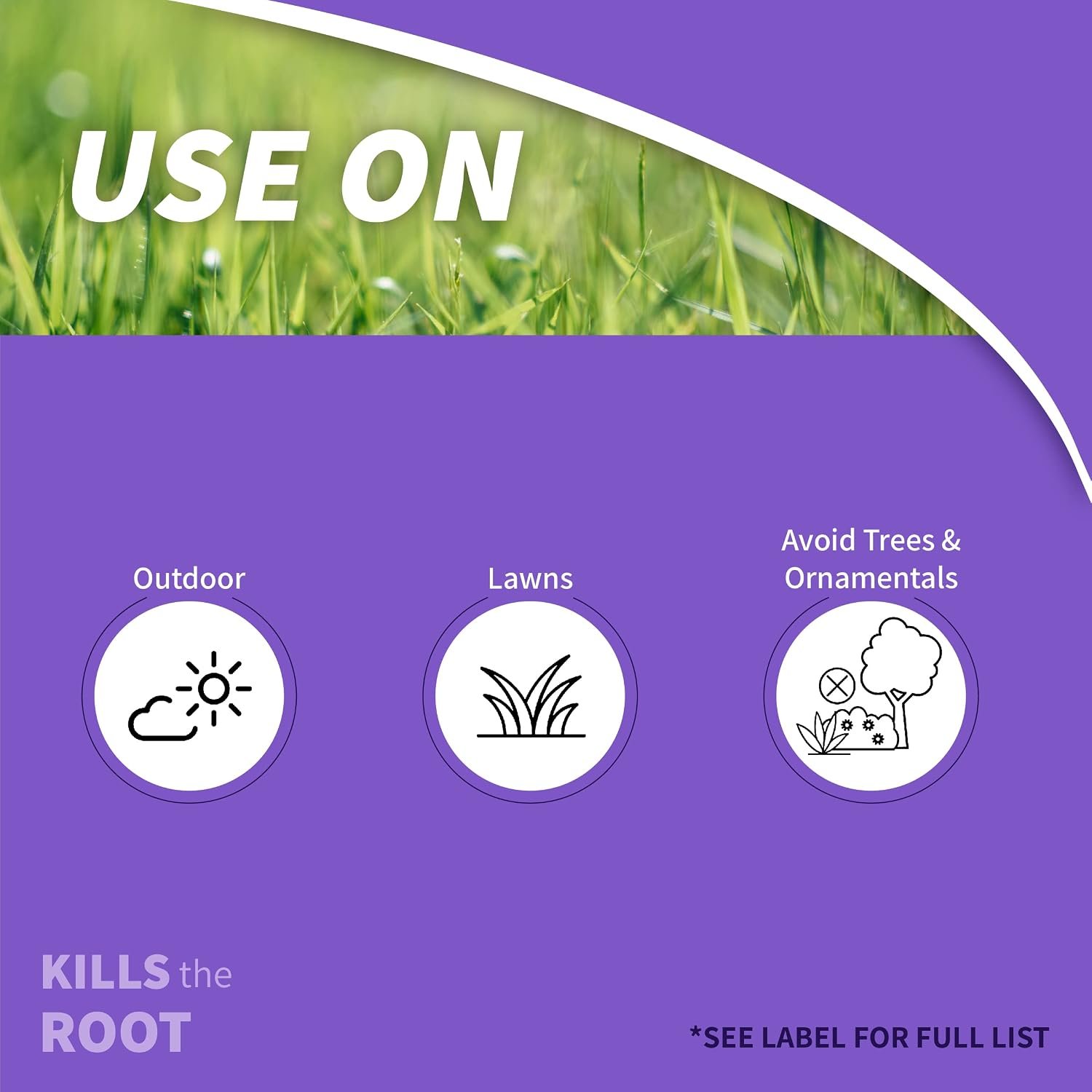
The stated grass compatibility includes bluegrass, ryegrass, fescue, Bermuda grass, and carpet grass. This is helpful if you have an established lawn in one of those categories, but it should be read as a labeled-use list rather than a blanket claim that every lawn is equally safe under every condition. Bonide Sedge Ender still requires the correct dilution, timing, and application rate.
Knowing whether your lawn is cool-season or warm-season can affect when it is actively growing and how it handles environmental stress. Cool-season grasses such as bluegrass, ryegrass, and fescue may face different heat pressures from warm-season Bermuda or carpet grass. Drought, high temperatures, recent seeding, and physical damage can make otherwise compatible turf more vulnerable.
If you’re unsure of the species, check the original seed label, landscaping records, or local extension guidance. A garden professional can also help, especially where the lawn contains several grass types. Avoid guessing based only on color; many cultivars look similar at a glance.
When the label permits it and you remain uncertain about a particular cultivar, test a small, inconspicuous area first and observe the turf for the period recommended by the directions. Bonide Sedge Ender may suit mixed lawns, but broad compatibility does not mean unlimited use across every section.
Map mixed turf areas before spraying, and prevent drift onto ornamental plants, vegetable gardens, beds, and other surfaces not approved by the directions. Bonide Sedge Ender is appropriate only where the product label permits its use.
What Customers Are Saying
The supplied product information does not include a verified Amazon star rating or review count at publication, so it would be misleading to quote a score or claim that a particular majority of buyers preferred the formula. Bonide Sedge Ender therefore needs to be judged primarily from its stated specifications rather than an invented customer consensus.
When you examine customer reviews yourself, separate useful evidence from short comments that provide no lawn details. The strongest reviews should identify the weed species, turf type, treatment area, dilution, weather, and time taken to see results. A report that says a product worked on Bermuda grass against yellow nutsedge is more useful than an unsupported statement that it “did nothing.”
Pay particular attention to recurring themes involving yellow nutsedge and other grassy weeds, visible speed, lawn safety, ease of dilution, spray coverage, and value. Also separate incomplete control or regrowth from application mistakes. Mature weeds, poor coverage, rain soon after spraying, incorrect mixing, and expectations of instant results can all produce disappointing outcomes without proving that the formula itself failed.
Reviews mentioning fescue, bluegrass, Bermuda grass, or another listed turf type deserve closer comparison because grass response can vary across lawn conditions. Bonide Sedge Ender has a broad stated compatibility list, but isolated anecdotes cannot establish safety for every cultivar.
Until a verified rating and review count are available, treat customer evidence as limited or mixed rather than conclusive. Bonide Sedge Ender may perform well for a carefully identified target weed, but shoppers should give more weight to detailed, reproducible reports than to one-line praise or criticism.
Bonide Sedge Ender compared with competing weed killers
Scotts Halts Crabgrass & Grassy Weed Preventer is a useful comparison because the products are positioned differently. Bonide is described as a concentrate for listed existing weeds as well as prevention of newly emerged seedlings, while Halts is primarily associated with prevention. You should compare the current labels rather than assuming either product covers the same weed stages, grass types, or application windows.
Ortho Nutsedge Killer is another named alternative for shoppers focused on nutsedge. The relevant comparison points are concentrate size, target weeds, turf compatibility, application format, stated coverage, and current price. The supplied information does not verify Ortho’s current price, coverage, rating, or label details, so no fair claim of superiority can be made here. Bonide Sedge Ender should be compared with the live product information available when you shop.
Its stated 2,000-to-8,700-square-foot range may appeal if your problem varies from a sizeable patch to a broad lawn. A ready-to-use bottle can be more convenient because it removes measuring and mixing, but it may offer less coverage or a different cost structure. Bonide Sedge Ender makes more sense when you already have a suitable sprayer or are willing to handle a concentrate carefully.
To compare options, match the weed species first, then confirm grass type, treatment timing, coverage requirement, rain window, and total cost per treated square foot. Bonide Sedge Ender is not automatically the better choice simply because it is concentrated; convenience and label fit can matter as much as bottle size.
This image is property of Amazon.com.

Who should buy Bonide Sedge Ender?
The strongest fit is a homeowner with established cool-season or warm-season turf who is dealing with listed grassy weeds and wants a concentrated product. The bottle’s maximum stated coverage of 8,700 square feet can make it more practical for a medium or larger lawn than for one tiny weed patch. Bonide Sedge Ender also suits you better if you’re comfortable using a suitable sprayer and following dilution directions accurately.
You may be better served elsewhere if you want an instant ready-to-use application, cannot identify your grass, or need to control a weed that is not covered by the current label. A concentrate is not automatically economical when most of the bottle will remain unused or when the target plant is outside the approved list.
Use around ornamental plants, vegetable gardens, waterways, children, and pets only according to label-based precautions. Avoid drift and runoff, and don’t improvise an application on a surface or plant not named in the directions. Bonide Sedge Ender is a lawn product with conditions of use, not a permission slip for unrestricted yard spraying.
- Confirm the weed species.
- Confirm the turf type.
- Estimate the square footage that actually needs treatment.
- Compare the $28.08 price with the label-required coverage.
- Review the current label before ordering and before mixing.
That checklist helps you decide whether Bonide Sedge Ender matches your lawn rather than buying based on the word “concentrate” alone.
Is the $28.08 price good value?
The $28.08 price should be judged against the stated coverage, not the oz bottle volume by itself. If your required mix rate allows treatment of 8,700 square feet, the cost spread across the lawn is far more attractive than if the same bottle treats only 2,000 square feet. Bonide Sedge Ender offers its best apparent value when you can use a permitted rate across a meaningful area.
The basic calculation is simple: divide $28.08 by the expected treated area at the label’s required mix rate. At 2,000 square feet, that is about $0.014 per square foot; at 8,700 square feet, it is about $0.003 per square foot. Those figures describe product purchase cost only, not equipment, protective gear, water, or labor.
Root-and-shoot control plus prevention of newly emerged seedlings could reduce repeated spot treatments if the product controls your weed under your lawn conditions. That economic benefit depends on correct use and actual response, so you shouldn’t count future savings as guaranteed. Bonide Sedge Ender is harder to justify for a very small lawn, one isolated weed, or a target outside its approved uses.
Remember the setup cost if you’re new to concentrates. You may need a compatible sprayer, measuring tools, protective equipment, and time to apply the solution evenly. Bonide Sedge Ender is reasonable value for a prepared homeowner with enough lawn to use the bottle efficiently, but convenience may make a ready-to-use product preferable for occasional spot work.
Practical buying decision for 2026
Your decision should come down to target weeds, grass type, treatment area, application skill, weather window, and expected coverage. The clearest reason to consider Bonide Sedge Ender is that one oz concentrate is designed to address several common grassy weeds and may cover between 2,000 and 8,700 square feet depending on the mix rate.
The main caution is equally clear: results and lawn safety depend heavily on label-compliant dilution, correct turf identification, and allowing the spray to dry before rain. A broad grass list doesn’t eliminate the need to check current restrictions or account for stressed turf. Bonide Sedge Ender is a measured lawn-treatment tool, not an instant fix that removes the need for planning.
You can make a decision in under five minutes by naming the weed, identifying the grass, measuring the lawn, checking whether the required rate fits the bottle’s stated coverage, and comparing the total cost with one or two alternatives. Recheck the listed $28.08 price and in-stock status before purchase because both are time-sensitive details.
Bonide Sedge Ender: a worthwhile concentrate for established compatible lawns and listed grassy weeds, provided you can mix accurately and apply under suitable conditions.
This image is property of Amazon.com.
Pros and Cons
Pros
- Targets yellow nutsedge, crabgrass, goosegrass, foxtail, and other listed grassy weeds.
- Stated use across bluegrass, ryegrass, fescue, Bermuda grass, and carpet grass.
- Dual-purpose positioning for existing weeds and newly emerged seedlings.
- Potentially broad coverage of 2,000 to 8,700 square feet from one oz concentrate.
- Described as rainproof within hours after drying.
Cons
- Requires accurate dilution and suitable spraying equipment.
- Results and turf safety depend strongly on label-compliant use and grass identification.
- Coverage varies substantially by intended use and mix rate.
- Not a convenient ready-to-use option for a single isolated weed.
- A verified Amazon rating and review count were not supplied for this assessment.
Final Verdict
Key Takeaways
- The oz concentrate is listed at $28.08 and may cover 2,000 to 8,700 square feet depending on the mix rate and intended use.
- It targets yellow nutsedge, crabgrass, goosegrass, foxtail, and other listed grassy weeds, with stated use on several warm-season and cool-season grasses.
- Accurate turf identification, label-compliant dilution, even spraying, and sufficient drying time before rain are central to safe use.
- The concentrate is a better fit for established lawns and shoppers prepared to mix and spray than for one small patch or users seeking maximum convenience.
- The supplied information does not provide a verified star rating or review count, so customer performance evidence should be checked carefully before purchase.
Frequently Asked Questions
What is the best thing to kill roots?
There is no single best root killer for every plant or situation. Choose a product whose label specifically names the target plant and permitted application site, and follow its directions rather than applying an unapproved chemical.
What is the most effective root killer for plants?
Effectiveness depends on the plant species, product label, application timing, and whether the goal is removal or preventing regrowth. The supplied product description says Bonide Sedge Ender targets the roots and shoots of listed grassy weeds, but it should not be assumed to work on plants outside those approved targets.
Does Root Kill really work?
Root-killing products can work when the target, rate, timing, and application method match the label. Results may take time, and regrowth can occur when coverage is incomplete, weeds are mature, or conditions interfere with treatment.
How quickly does root killer work?
This product is described as starting to work on contact, but that does not mean complete control is immediate. Visible changes and full results can take longer depending on weed maturity, weather, coverage, and the selected label rate.