What the Inch Septic Filter for Inch Septic Tank Inlet Does Best
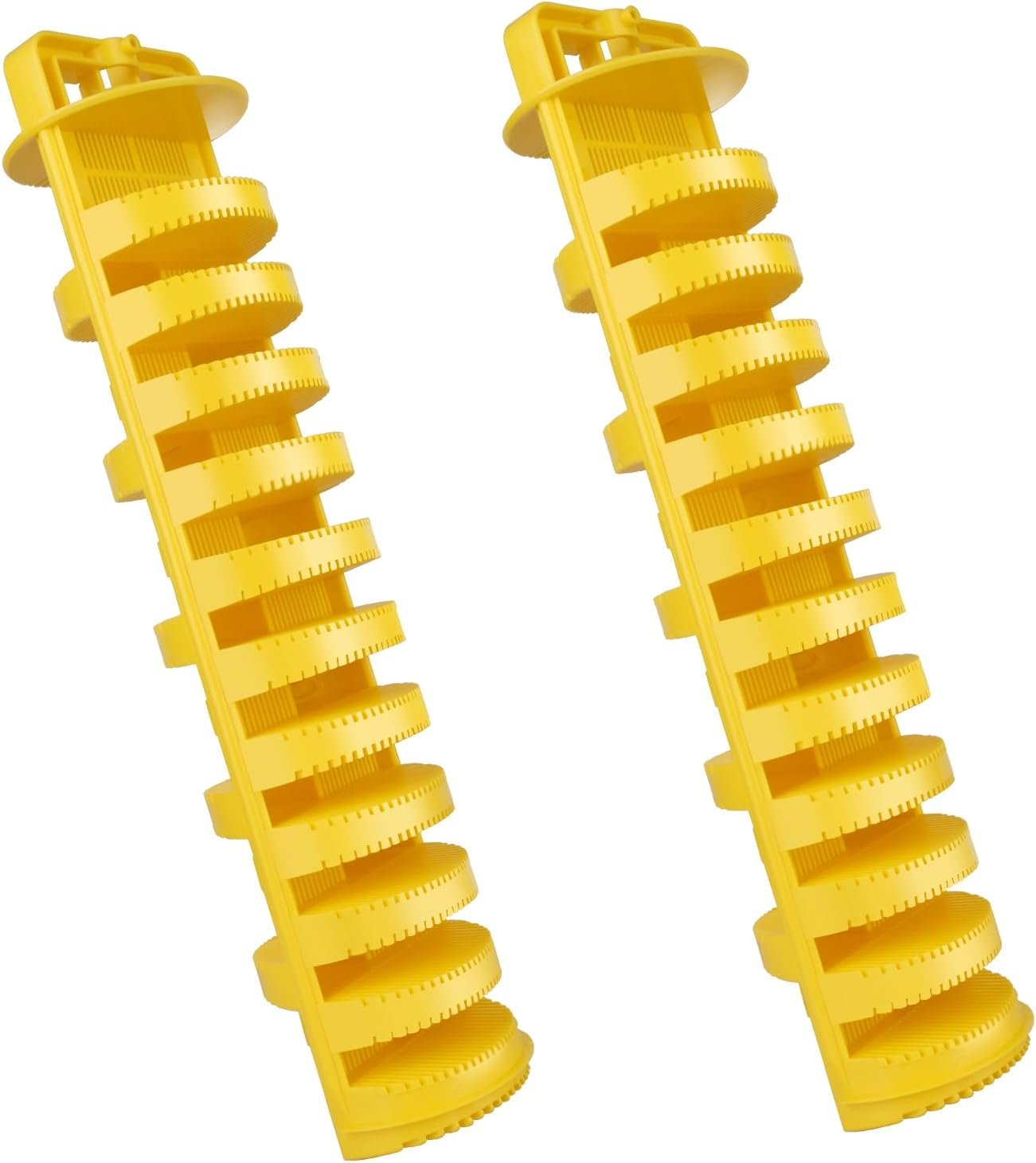
A clogged drain field can turn an ordinary septic problem into an expensive excavation job, which is why a correctly matched effluent filter deserves attention. This 4 inch septic filter is designed to trap solids before they travel from the tank toward downstream pipes. At $43.99 and currently listed as In Stock, it sits in a reasonable mid-range position for a residential replacement part rather than competing as a bargain-bin component.
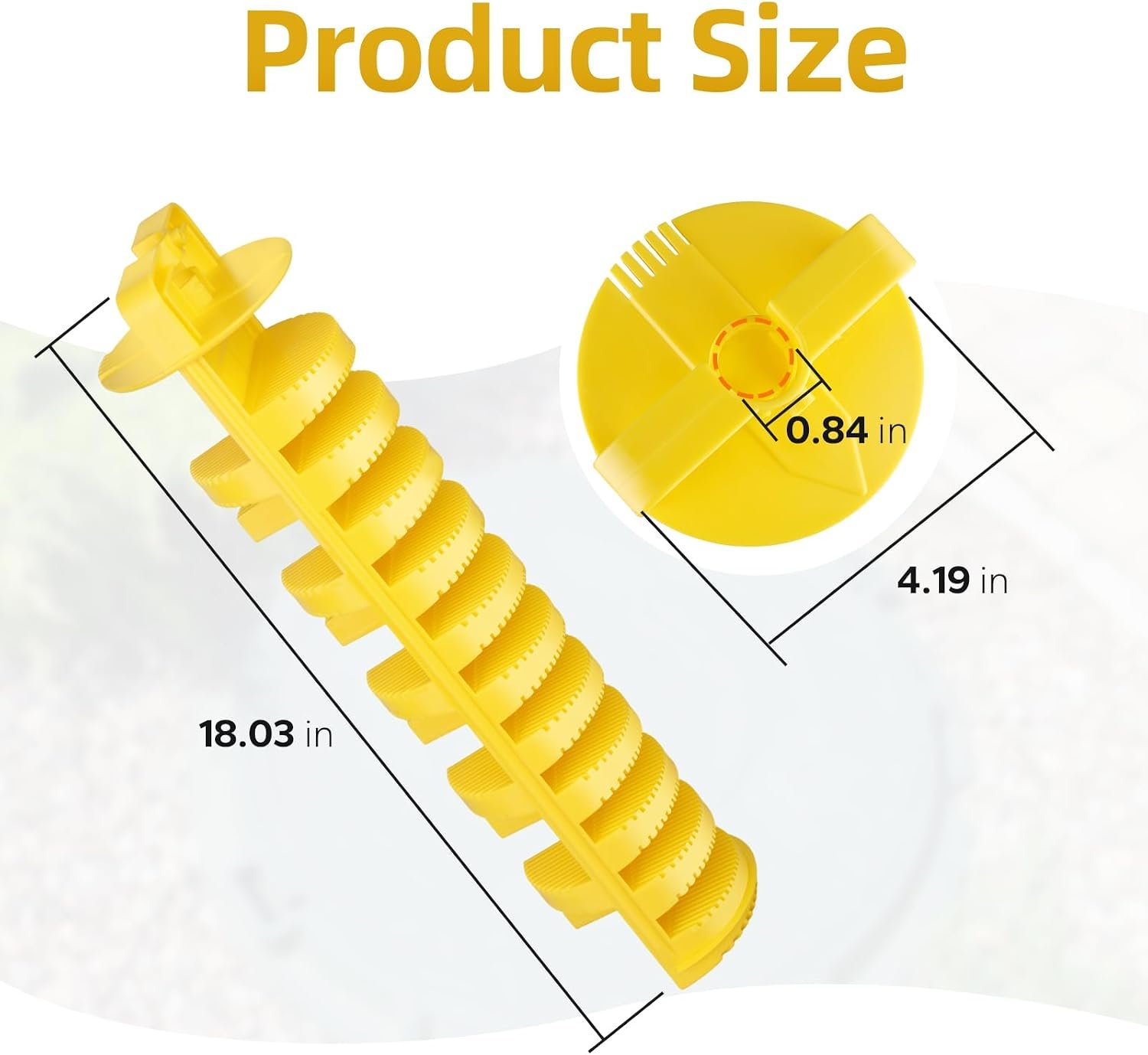
The product is intended for inch septic tank inlet applications and is rated at 800 gallons per day. Its listed filtration package provides 86 feet of/16-inch filtration, giving you a substantial screening area in a compact replacement filter. Those figures make the 4 inch septic filter most relevant to smaller residential systems, not high-demand commercial installations.
Its detachable construction also points toward routine servicing rather than a one-time installation. You can pull out the damaged filter fabric and replace it with a new unit, while the detachable format is intended to make cleaning easier. For preventive maintenance, this 4 inch septic filter looks best when you already have a compatible housing and want a practical replacement that can be serviced without replacing an entire septic assembly.
The main caution is fitment. A 4 inch septic filter isn’t automatically suitable for every tank with a similarly described pipe opening, so you should treat the existing filter housing and connection arrangement as decisive. If the fit is confirmed, the product appears better suited to replacement, damaged-filter recovery, and solids-control maintenance than to an uncertain first installation.
This image is property of Amazon.com.

How This Inch Septic Filter Works in a Residential System
An effluent filter sits at the point where liquid leaves the septic tank, screening suspended solids before they can continue toward the drain field. It doesn’t replace regular tank pumping and it isn’t a treatment device; its role is physical separation. In a typical gravity-fed residential arrangement, the 4 inch septic filter allows liquid effluent to pass while holding back larger particles inside the tank.
That screening matters because solids that enter leach-field pipes can contribute to blockage, reduced dispersal, and premature wear. The fine screening specification associated with this 4 inch septic filter is intended to reduce the amount of waste carried downstream, which may help limit contamination of distribution lines and reduce the likelihood of disruptive cleanouts. The result depends on proper installation and normal septic management, not on the filter alone.
Before ordering, confirm compatibility in a deliberate sequence. First, locate the existing outlet or filter housing and identify how the current component is retained. Next, compare the pipe and housing arrangement with the listing description, then check whether the replacement is sold as a filter component rather than a complete tank assembly. Finally, ask a septic professional if the existing setup is unusual or damaged.
That process is especially important with a 4 inch septic filter because a filter that is too loose can allow solids to bypass it, while one that doesn’t seat correctly may restrict flow or become difficult to remove. A 4 inch septic filter should be viewed as one part of a managed system: keep the tank pumped according to site conditions, avoid flushing inappropriate materials, and investigate slow drainage instead of assuming a new screen will solve every problem.
Key Features That Matter Most
The strongest feature claim is the fine solids screening. The product is described as filtering particles as small as/16 of an inch, a threshold intended to reduce buildup that can damage or clog downstream septic components. For a residential buyer, the practical question isn’t simply whether the 4 inch septic filter is fine; it’s whether the finer screen can be cleaned easily enough to remain useful over repeated service intervals.
Construction is another selling point. The listing describes sturdy, high-quality materials and a detachable design, although it doesn’t identify a specific resin, mesh grade, or independently tested service life. That means you can reasonably regard the 4 inch septic filter as maintenance-oriented, but you shouldn’t treat the materials claim as proof that it will outlast every branded alternative.
Removal is valuable because septic filters accumulate material by design. A component that can be pulled out, rinsed, inspected, and replaced without complicated assembly may reduce labor during service. The listing also presents the filter as a way to reduce installation and maintenance costs over time; that is a plausible benefit when the part fits properly, but actual savings depend on access, labor rates, pumping schedules, and the condition of the rest of the system.
Compared with basic residential filters sold through online marketplaces, this 4 inch septic filter stands out more for its stated serviceability and screening area than for a long list of extras. You get a straightforward replacement concept, but no supplied review count, material certification, or detailed engineering documentation is provided here. The 4 inch septic filter therefore looks appealing to a practical homeowner who values cleanability, while a buyer seeking extensive brand documentation may prefer an established manufacturer.
Filtration Performance and Flow Capacity
The listed flow capacity is gallons per day, which gives you a useful reference for smaller residential systems. Whether that is sufficient depends on the number of occupants, water-use habits, fixtures, and any unusually high-flow appliances. A household that regularly sends large surges through the system should have its expected daily demand checked by a septic professional rather than assuming the nominal capacity guarantees trouble-free operation.
The stated feet of screening surface suggests that the filter is not relying on a very small active area. More available surface can spread incoming solids across the screen and may help the filter maintain flow between inspections, although the product information doesn’t specify a testing method or expected cleaning interval. Surface area is helpful, but it cannot compensate for excessive solids, a neglected tank, or a blocked outlet.
Fine filtration brings a tradeoff. Screening smaller particles can offer better protection for downstream pipes, yet a household with a high solids load may coat the filter more quickly. Watch for slower drainage, unusual tank behavior, or visible buildup during scheduled servicing, and have a technician inspect the system if flow appears restricted.
This image is property of Amazon.com.

Installation, Cleaning, and Day-to-Day Upkeep
The supplied instructions describe a simple replacement approach: pull out the damaged septic filter fabric and insert the new filter. In practice, a homeowner should begin by arranging professional help if the tank access is unsafe or the work requires entering the tank; never enter a septic tank because toxic gases and oxygen-deficient conditions can be fatal.
- Turn off or limit water use while the filter is being serviced.
- Open the access point safely and identify how the existing filter is retained.
- Remove the old component without forcing it against the housing.
- Check for cracks, deformation, or heavy solids in the surrounding outlet area.
- Insert the replacement so it seats naturally and does not obstruct the intended flow path.
- Rinse the removed filter and inspect the new installation during a later service visit.
Use clean water and suitable protective equipment when rinsing; keep wastewater and solids away from storm drains, wells, gardens, and surface water. The detachable design suggests upkeep should be relatively uncomplicated, but a poor fit is not something to solve with pressure, improvised fasteners, or sealants.
What Customers Are Saying
No verified star rating or review count was supplied with the product information available for this review, so it would be misleading to quote a customer consensus or invent a score. That limitation matters for a septic component because fitment experiences can vary substantially between tank designs. Before relying on a marketplace rating, read recent comments for descriptions of the actual housing, installation method, and replacement result.
For this 4 inch septic filter, the most useful positive feedback would concern a clean fit, straightforward removal, and a screen that remains serviceable after repeated rinsing. Customer reviews indicate that those details are more informative than short comments saying only that a part arrived quickly. Look for buyers who explain whether the filter matched the listing description and whether they installed a replacement component or a complete assembly.
Verified buyers discussing this 4 inch septic filter would ideally report whether the component reduced backups or helped prevent solids carryover, but those outcomes are difficult to attribute to a filter without knowing the tank’s pumping history and overall condition. Pay attention to comments about cleaning frequency and flow restriction rather than expecting a filter to correct an overloaded or failing drain field.
Potential negatives to investigate include confusion about sizing, a housing that differs from the buyer’s arrangement, or expectations that the order includes more than the replacement filter. The 4 inch septic filter may be a good value when it matches the existing system, while the same purchase could become frustrating if you need a full assembly or professional modifications. A low rating tied to incorrect ordering isn’t necessarily evidence of poor construction, but it is still a warning to check the listing details carefully.
Who Should Buy This Inch Septic Filter
The best buyer is a homeowner with a compatible residential septic setup who needs a replacement effluent filter focused on solids control. This 4 inch septic filter makes sense when the old component is damaged, difficult to clean, or due for preventive replacement and the existing housing accepts the listed design. Its detachable format is particularly relevant if you want service access rather than a permanently sealed component.
Preventive maintenance is another sensible use. Replacing a worn filter before it fails can be less disruptive than waiting for solids to reach downstream pipes, although you should still follow the pumping and inspection schedule appropriate to your property. A homeowner trying to protect a drain field may consider this 4 inch septic filter as one layer of protection, not as a substitute for responsible water use or tank maintenance.
Skip this option if your system uses a different opening, a different housing, or a commercial flow requirement. You should also pause if you can’t identify whether the listing covers a complete assembly or only the replaceable filter element. A septic technician can usually clarify that distinction before you spend money on a part that cannot be installed.
Use this short checklist before purchase:
- Photograph the existing filter and retention arrangement.
- Compare the current component with the listing’s intended residential application.
- Confirm your household’s wastewater demand is appropriate for the listed capacity.
- Check whether you need a replacement filter, housing, or complete assembly.
That checklist gives you a practical basis for choosing the 4 inch septic filter instead of relying on the product name alone. It also helps separate a genuine compatibility problem from an installation or maintenance problem.

This image is property of Amazon.com.

How It Compares With Similar Amazon Options
Two named alternatives worth researching are the Tuf-Tite EF-4 and Sim/Tech effluent filter options. This 4 inch septic filter competes primarily on a straightforward residential replacement format, detachable servicing, and its stated fine-screening specification. However, the supplied product data does not provide matching performance figures, warranties, or current prices for those alternatives, so a precise cost-per-feature ranking would be unreliable.
On paper, the 4 inch septic filter is attractive if you value a replaceable design and want to avoid complicated assembly. Its claimed filtration fineness and listed household-scale flow support give you concrete figures to compare, while the basic replacement instructions may appeal to buyers who already understand their tank layout. The key is to compare like for like: a filter-only component shouldn’t be judged as though it includes a housing or other tank hardware.
Established alternatives may feel safer when you want stronger brand recognition, more installation documentation, or a known replacement ecosystem. That can justify paying more if a technician routinely services your system with a particular brand or if the housing is already designed around that manufacturer. On the other hand, a recognizable name doesn’t remove the need to verify fitment.
Choose this 4 inch septic filter when the existing housing is compatible, the listed capacity suits your household, and the detachable maintenance approach is your priority. Consider the Tuf-Tite EF-4 or a Sim/Tech option when documentation, local technician familiarity, or brand-specific replacement support matters more than the lowest practical purchase price. The 4 inch septic filter wins on apparent simplicity, while brand-name alternatives may reduce uncertainty for unusual installations.
Value at $43.99
At $43.99, this 4 inch septic filter looks reasonably positioned for a residential effluent-filter replacement with a cleanable, detachable format. The value isn’t just the screen itself; it comes from having a component that can be removed for service and replaced when damaged instead of treating the whole arrangement as disposable. It is currently listed as In Stock, which also makes it practical for a planned maintenance job, subject to availability changing after publication.
Think about value in relation to avoided maintenance rather than the purchase price alone. A properly matched filter can help limit solids reaching downstream pipes, while a poorly fitting low-cost filter can allow bypass, restrict flow, or create another service problem. This 4 inch septic filter is worth considering when the fit is confirmed and the design reduces the work involved in inspections and cleaning.
The product description makes cost-reduction claims, but it doesn’t guarantee a specific saving or service life. Your actual result will depend on household loading, tank condition, cleaning habits, and professional service costs. In other words, the 4 inch septic filter can support a lower-maintenance routine, but it cannot make a neglected septic system inexpensive to operate.
For homeowners prioritizing replacement ease and system protection over the absolute lowest upfront cost, the asking price makes sense. The purchase is less compelling when you need a complete assembly, operate a higher-demand system, or cannot verify compatibility. Provided the housing match is correct, this 4 inch septic filter offers a sensible middle ground between a basic replacement screen and a more heavily documented branded option.
Pros and Cons

This image is property of Amazon.com.
Pros
- Detachable design supports easier cleaning and replacement.
- Listed fine filtration is intended to reduce solids reaching downstream septic components.
- 800-gallon-per-day rating suits the stated residential-use focus.
- At $43.99, the price is reasonable for a serviceable replacement component.
- Currently listed as In Stock.
Cons
- Compatibility must be confirmed because the product may not fit every septic housing.
- The listing does not identify specific construction materials, warranty coverage, or independent performance testing.
- No verified star rating or review count was provided for assessing customer satisfaction.
- It may be unsuitable for higher-demand commercial systems or buyers needing a complete filter assembly.
Final Verdict
Key Takeaways
- This is a residential replacement effluent filter intended for compatible septic tank setups, with a listed 800-gallon-per-day capacity and fine solids screening.
- The detachable design should make removal, rinsing, inspection, and replacement more manageable than a permanently fixed component.
- Fitment is the deciding factor; confirm the existing housing and whether you need a filter-only replacement or a complete assembly.
- At $43.99, it offers reasonable value for preventive maintenance when system compatibility and household flow requirements are confirmed.
- The supplied information includes no verified star rating or review count, so shoppers should inspect current buyer feedback before ordering.
Frequently Asked Questions
Is an effluent filter necessary for a septic system?
An effluent filter isn’t required in every septic design, but it can help keep larger solids from reaching the drain field. Its usefulness depends on compatibility, proper cleaning, regular pumping, and the condition of the rest of the system.
What is the best effluent filter for a septic tank?
The best filter is the one that matches your tank’s housing, flow requirements, and maintenance arrangement. This model is worth considering for a compatible residential setup, while Tuf-Tite EF-4 and Sim/Tech options may appeal if you prefer established brand support or different installation documentation.
What is an effluent filter on a septic tank?
An effluent filter is a screening component installed where liquid leaves the septic tank. It allows effluent to pass while retaining larger suspended solids, helping reduce the material that can enter downstream pipes and the drain field.
How often do you need to clean an effluent filter?
There is no universal interval because cleaning frequency depends on household use, tank condition, and solids loading. Inspect it during scheduled septic servicing and clean it sooner if you notice restricted flow, backups, or heavy buildup.